
Electrifying Copenhagen’s Commuter Ferries
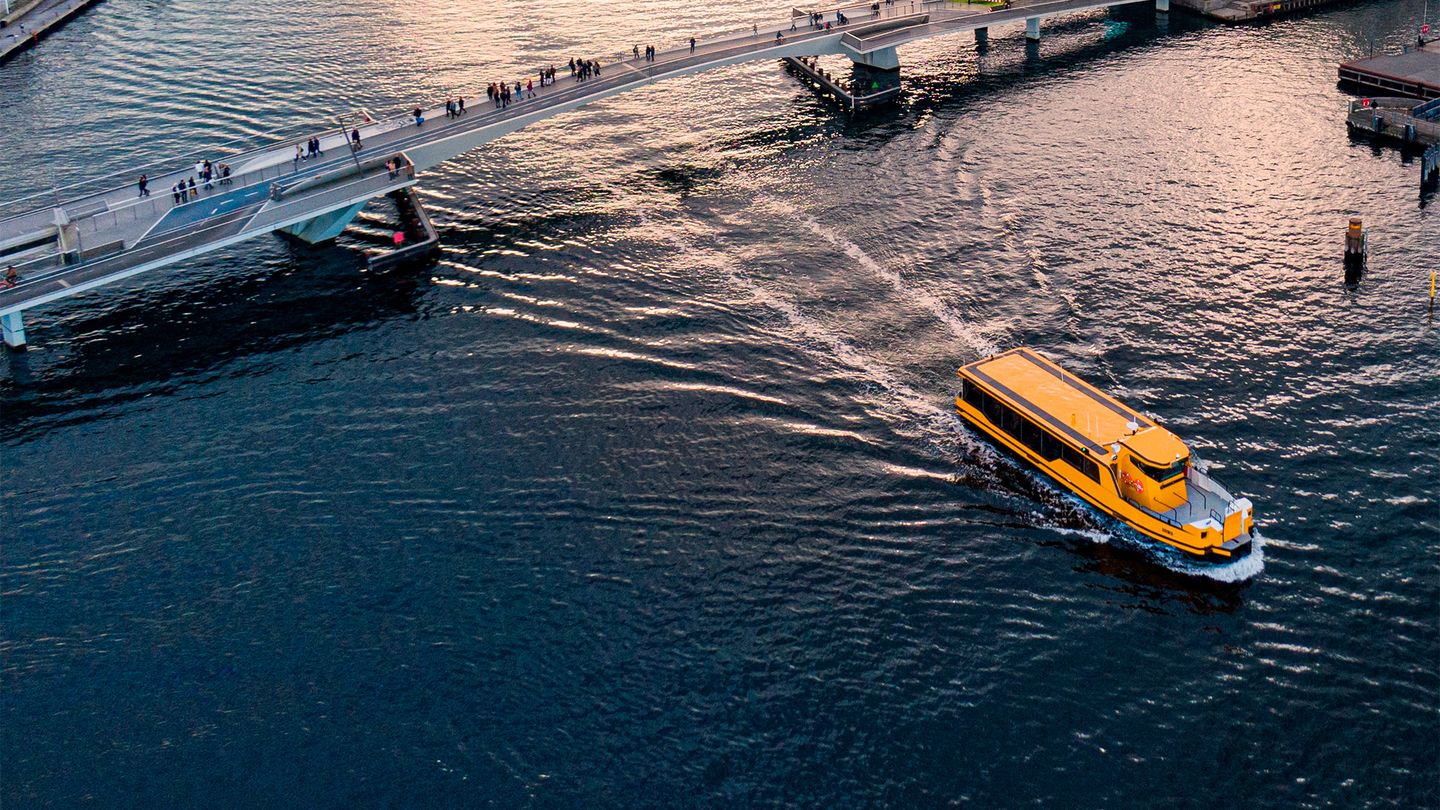
In 2020, a new fleet of electric commuter ferries was introduced in Copenhagen, setting a global benchmark for emission-free public transport on water. To meet the demanding requirements of inner-city passenger operations, Echandia was selected to supply the maritime battery system enabling safe, reliable, and fully electric propulsion.
Today, seven electric vessels transport passengers across Copenhagen’s waterways all day, year-round. Operating in the middle of the city, the fleet demonstrates how electrification can deliver both environmental benefits and long-term operational stability in real service, with more than 98% remaining capacity after 6 years of operation.
Built for demanding duty cycles
The ferries operate up to 17 hours per day, with frequent departures and continuous daily cycling. Each trip lasts roughly one hour and carries up to 80 passengers. To support this intensive schedule, the vessels rely on ultra-fast charging, with full charging completed in under ten minutes via a secure shore connection system.
Fast charging ensures that the ferries remain in service throughout the day without interruption. To further enhance operational reliability, each vessel is equipped with redundant drivetrains, providing additional resilience in case of unexpected events.
Project facts:
80 pax
Operational profile: 1-hour trip, 6 minutes charging at 3.5 C
17 charges per day
LTO Batteries
Battery size 183 kWh

Vessel type
Submarine rescue vessel (special-purpose naval vessel)
Operator
NATO member country (Southern Europe)
Customer
Global maritime system integrator
Technology
Echandia LTO battery system
Application
Emergency and rescue operations requiring maximum safety and reliability
Echandia advantages:
High safety rating
Minimize weight and size
Supercharging capabilities
Durability and lifespan
Cost-efficient
Quiet, clean urban transport
The fleet has delivered significant reductions in local emissions and particulate matter, while also enabling silent operation. This improves both air quality and the passenger experience, creating a smooth and quiet ride through Copenhagen’s city waterways.
The ferries have reduced Copenhagen’s public transport NOX emissions by 2.5%, CO2 emissions by 10% and particulate emissions by 66%.
Designed for integration into existing infrastructure
While sustainability was a key objective, the new ferry fleet also needed to fit into Copenhagen’s existing transport framework, including established timetables, passenger capacity requirements, and port infrastructure. The charging solution had to be compatible with local grid access, shore power regulations, and the physical limitations of urban ferry terminals.
Why Echandia
Echandia’s LTO-based battery system was selected due to its proven performance in high-frequency maritime operations, where safety, durability, and long service life are essential. The system delivers high power in a compact footprint, supports ultra-fast charging, and is designed to last the full lifetime of the vessel with minimal degradation.
This project remains a leading example of how Echandia battery systems enable economically viable, zero-emission transport, operating reliably year after year in one of the world’s most demanding urban ferry environments.
Want to know more?
Our team has worked with leading shipyards and system integrators, from ABB to Siemens, to electrify ferries, tugs, navy and transport vessels. We know what it takes to build a safe, durable system that performs every day.

Related case
October 15, 2025
Hybrid RoPax retrofit with Echandia LTO systems
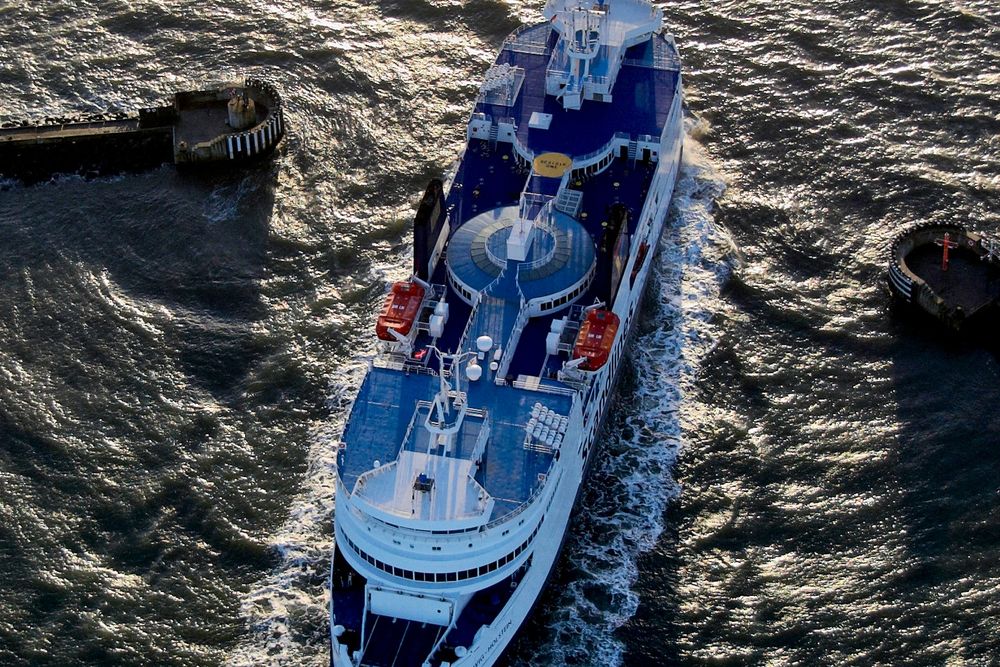
Scandlines, one of Northern Europe’s leading ferry operators, has taken a major step toward zero-emission operation by converting two of its RoPax ferries into plug-in hybrids. The vessels are being retrofitted with Echandia Ultra battery systems, enabling up to 80% electric operation per crossing, with diesel propulsion retained only as backup.
January 2, 2026
First high-speed zero-emission fleet in the U.S.
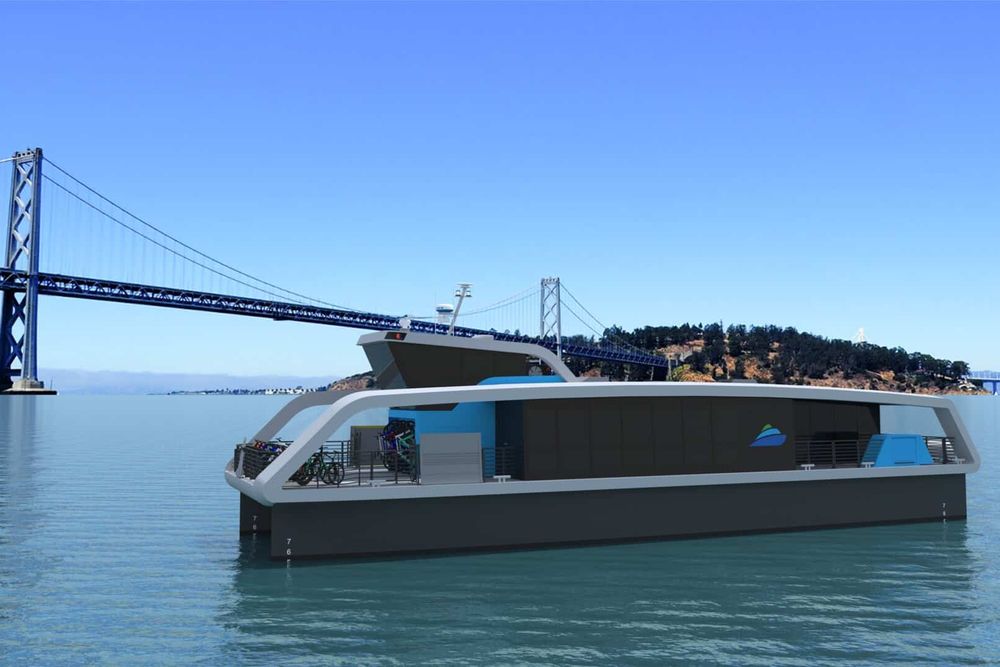
In 2026, San Francisco Bay Ferry will introduce the United States’ first fully electric, high-speed, high-capacity ferry fleet as part of the Rapid Electric Emission Free (REEF) program. The project represents a major milestone for zero-emission maritime transport in North America.