case
Peak power for heavy lift
How Echandia Ultra supports crane operations on board SAL’s Orca Class series.
)
Cases
Explore how Echandia battery systems perform in demanding day-to-day service, with real projects, vessel types, and results from operators around the world.
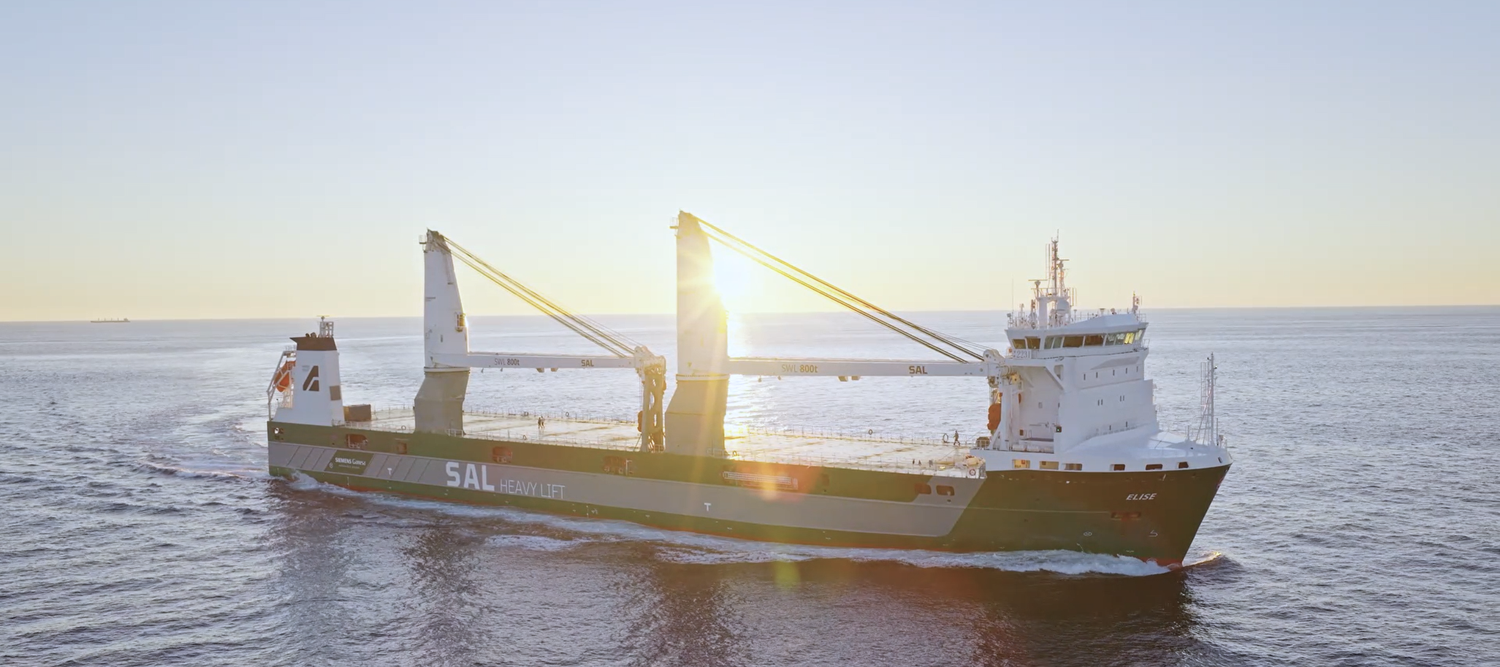
How Echandia Ultra supports crane operations on board SAL’s Orca Class series.
What a Danish ferry retrofit can tell us about the next phase of electric vessel operation
After several years in electric operation, E/F Ellen has undergone a complete battery-system redesign, replacing its original NMC system with a new Echandia LTO system built for frequent fast charging and long service life.
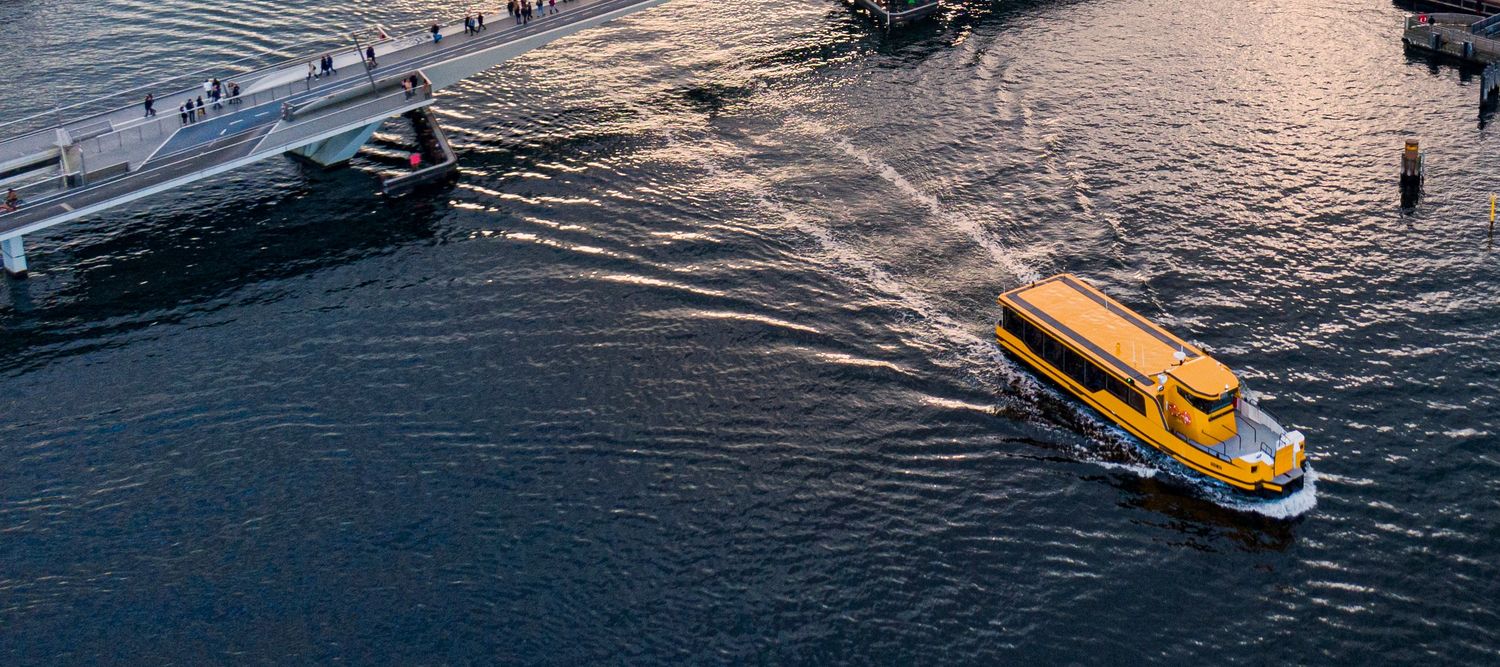
In 2020, a new fleet of electric commuter ferries was introduced in Copenhagen, setting a global benchmark for emission-free public transport on water. To meet the demanding requirements of inner-city passenger operations, Echandia was selected to supply the maritime battery system enabling safe, reliable, and fully electric propulsion.
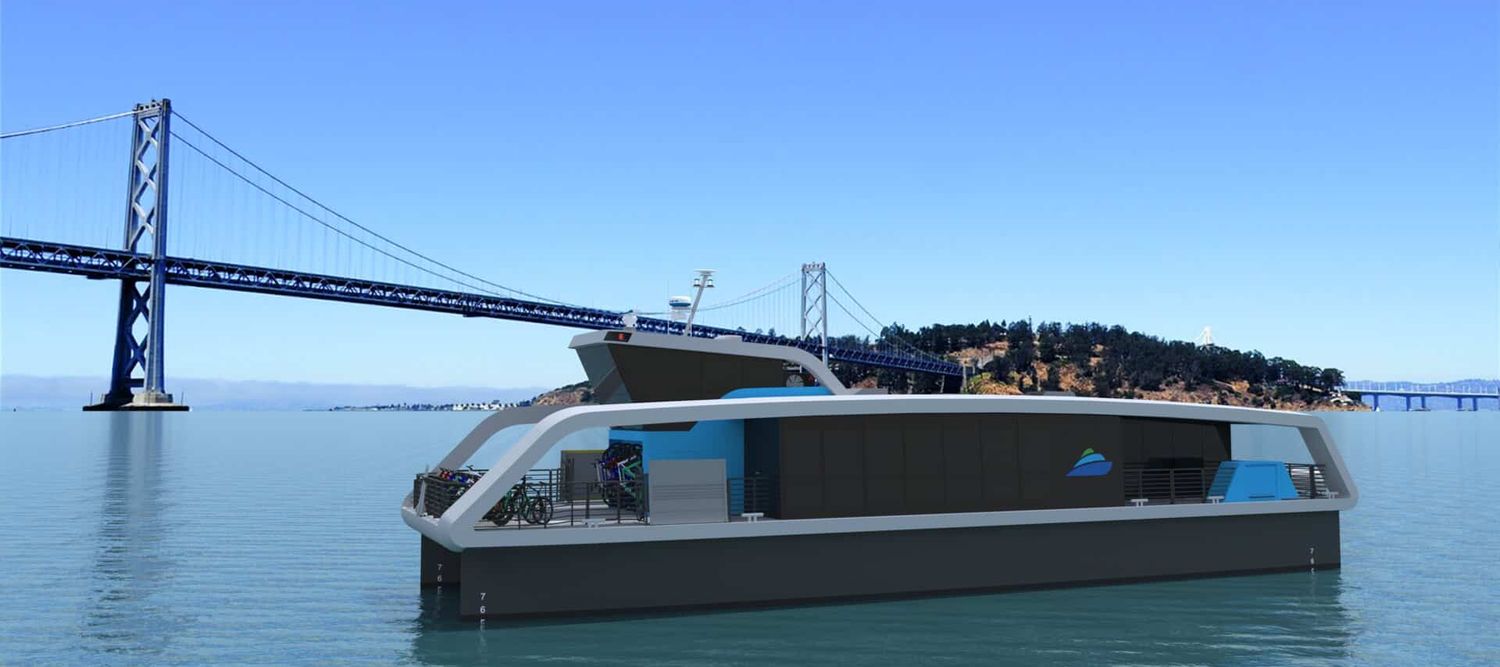
In 2026, San Francisco Bay Ferry will introduce the United States’ first fully electric, high-speed, high-capacity ferry fleet as part of the Rapid Electric Emission Free (REEF) program. The project represents a major milestone for zero-emission maritime transport in North America.
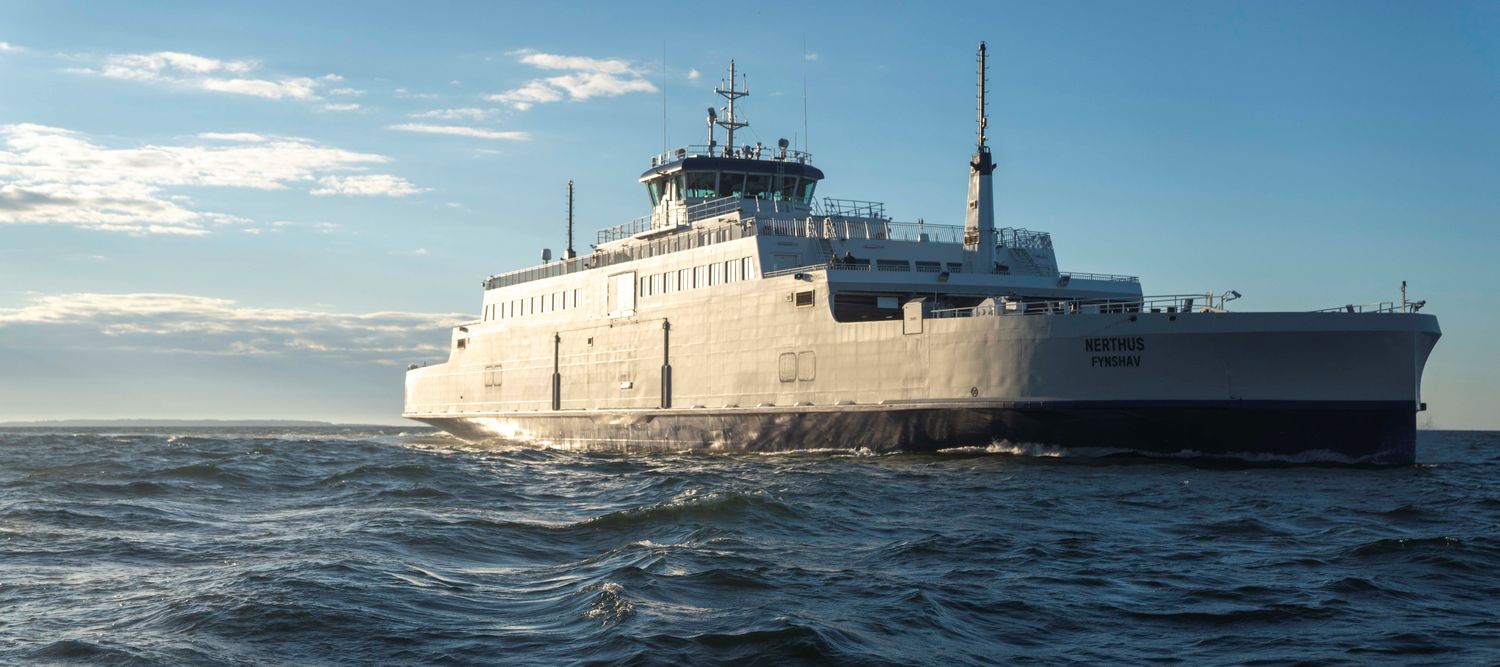
In June 2025, Molslinjen introduced Nerthus, a fully electric RoPax ferry serving the route between Ballen on Samsø and Kalundborg in Denmark. The vessel is the first of two new electrified ferries commissioned by Molslinjen and built at Cemre Shipyard in Turkey.
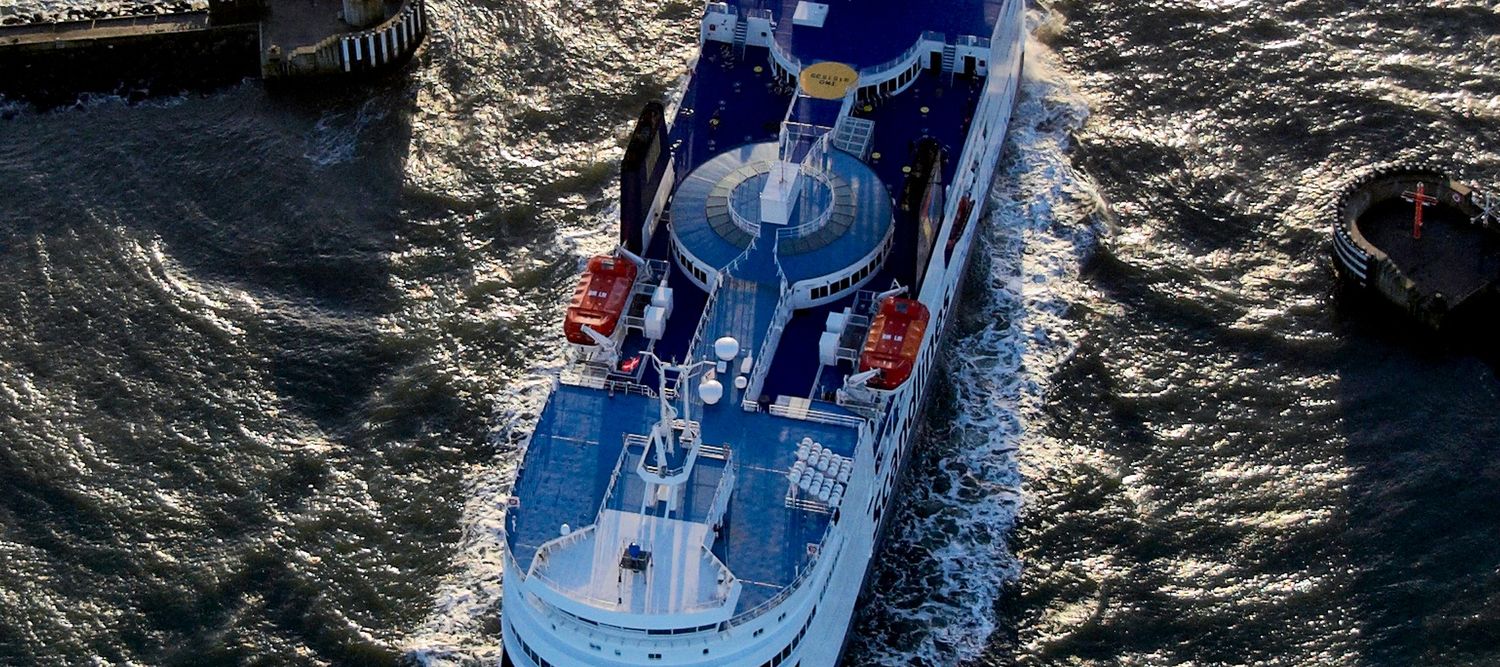
Scandlines, one of Northern Europe’s leading ferry operators, has taken a major step toward zero-emission operation by converting two of its RoPax ferries into plug-in hybrids. The vessels are being retrofitted with Echandia Ultra battery systems, enabling up to 80% electric operation per crossing, with diesel propulsion retained only as backup.
Follow us for upcoming events, news and insights.