October 1, 2026
Peak power for heavy lift
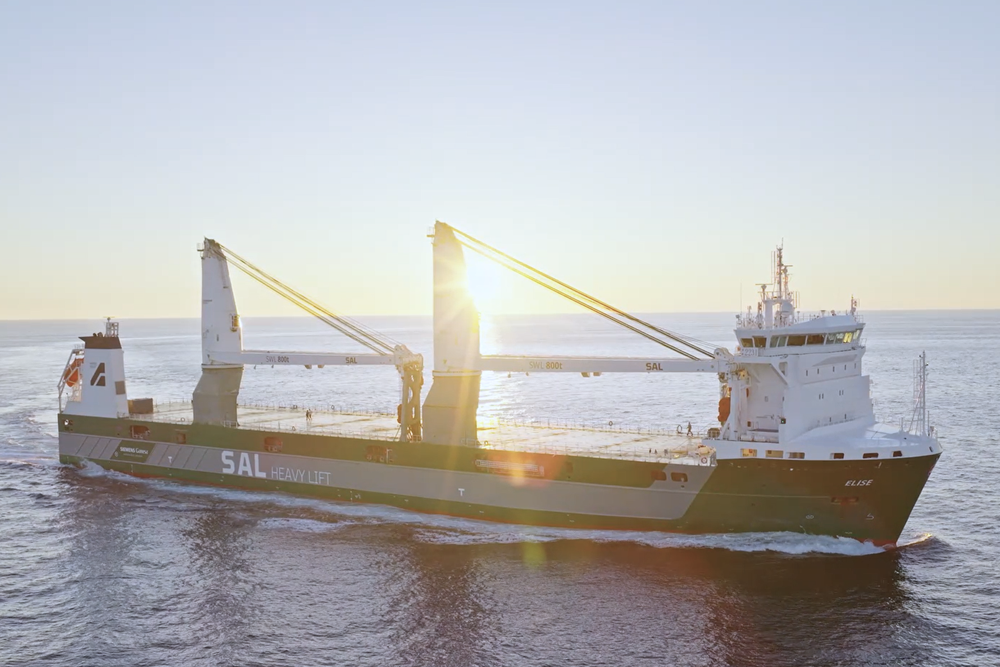
How Echandia Ultra supports crane operations on board SAL’s Orca Class series.
Cruise ships
Cruise ships operate like floating cities, requiring continuous power for hotel loads such as air conditioning, lighting, kitchens, and propulsion. Passenger comfort and safety are the top priorities since they often carry a very large number of passengers. Any failure or energy blackout can disrupt thousands of guests and crew, damage the brand, and create major costs.
Batteries on cruise ships need to provide high power to support peak hotel loads, spinning reserve for blackout prevention or enable zero-emission operation in port and recharge quickly when generators are available. The batteries must also maintain performance over many years of frequent cycling and partial charging, as replacement is both expensive and disruptive to operations.
Echandia’s LTO battery systems are designed for demanding cruise applications. They safely deliver high power, blackout-free operation and fast charging during generator availability. The LTO chemistry offers a long system lifetime, meaning fewer replacements and lower costs. With a minimal risk of thermal runaway, they are among the safest systems available—an essential factor when thousands of passengers are onboard. They also perform reliably in both cold and hot climates, making them a proven and dependable solution for cruise ship operations.
HIGH POWER OUTPUT AND SPINNING RESERVE
Reliable support for propulsion, blackout-free operation and hotel loads
FAST CHARGING CAPABILITY
Efficient use of generator availability
LONG SERVICE LIFE
20,000+ cycles with minimal degradation
CLASS-LEADING SAFETY AND COMFORT
No thermal runaway, no fire risk
ALL-CLIMATE PERFORMANCE
Proven reliability from tropical to arctic conditions
October 1, 2026
How Echandia Ultra supports crane operations on board SAL’s Orca Class series.
July 19, 2026
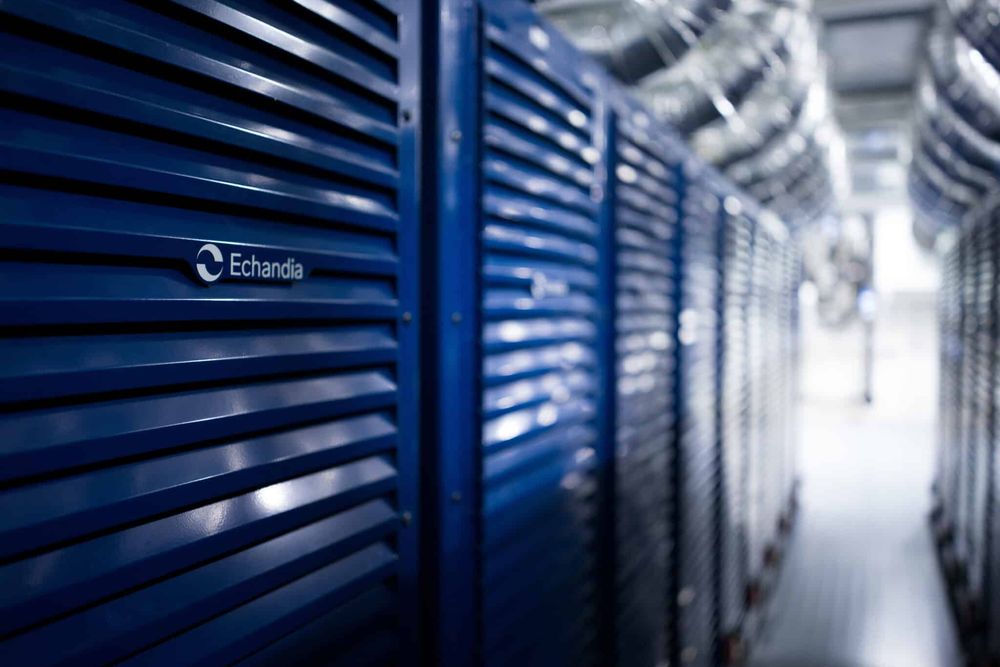
What a Danish ferry retrofit can tell us about the next phase of electric vessel operation
January 11, 2026
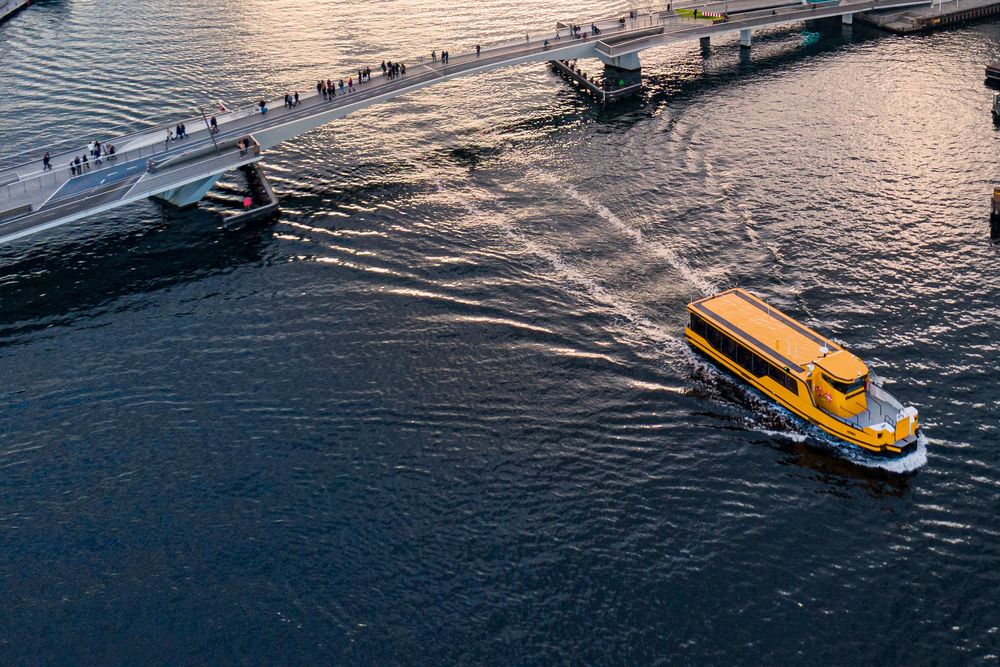
In 2020, a new fleet of electric commuter ferries was introduced in Copenhagen, setting a global benchmark for emission-free public transport on water. To meet the demanding requirements of inner-city passenger operations, Echandia was selected to supply the maritime battery system enabling safe, reliable, and fully electric propulsion.
January 2, 2026
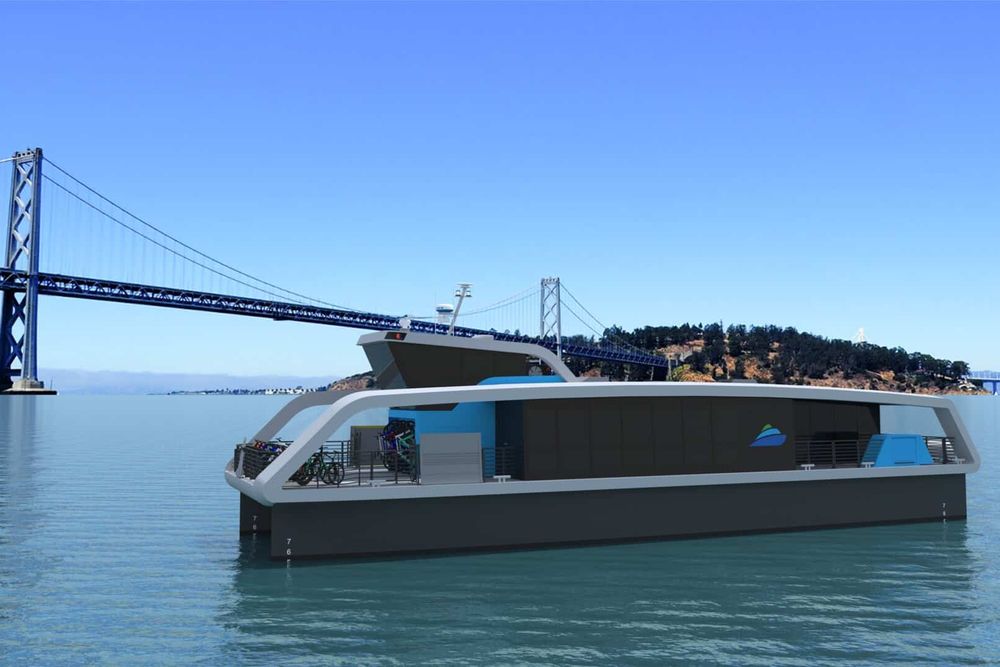
In 2026, San Francisco Bay Ferry will introduce the United States’ first fully electric, high-speed, high-capacity ferry fleet as part of the Rapid Electric Emission Free (REEF) program. The project represents a major milestone for zero-emission maritime transport in North America.
Our team has worked with leading shipyards and system integrators, from ABB to Siemens, to electrify ferries, tugs, navy and transport vessels. We know what it takes to build a safe, durable system that performs every day.
