articles
Why power and cycle life matter
Energy optimization applications require batteries that can handle frequent daily cycling, high power exchange, and continuous operation over a vessel’s lifetime.
Technical advisory
Read the latest articles and use the Echandia Design Tool to explore sizing and performance, or contact us for support and technical insights.

Explore the path to safer marine electrification
Lifecycle support for Echandia battery systems
Your complete guide to battery systems
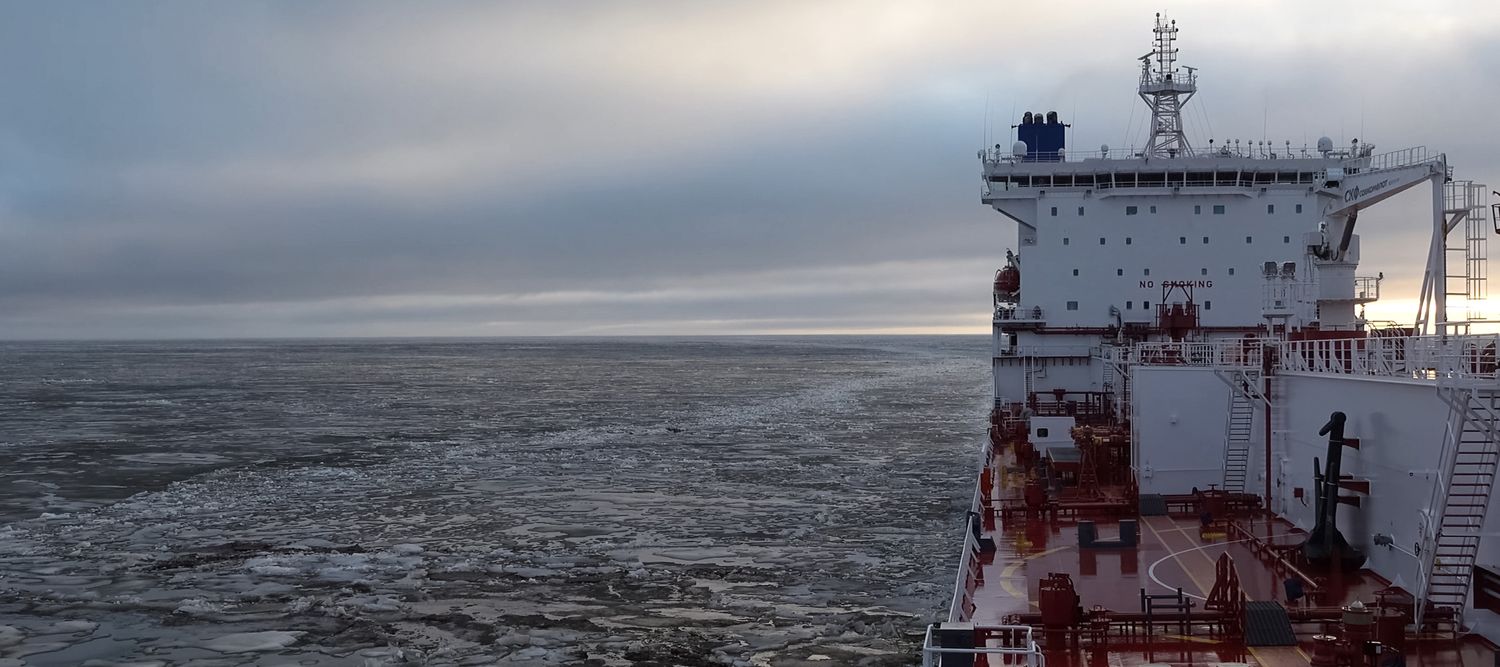
Energy optimization applications require batteries that can handle frequent daily cycling, high power exchange, and continuous operation over a vessel’s lifetime.
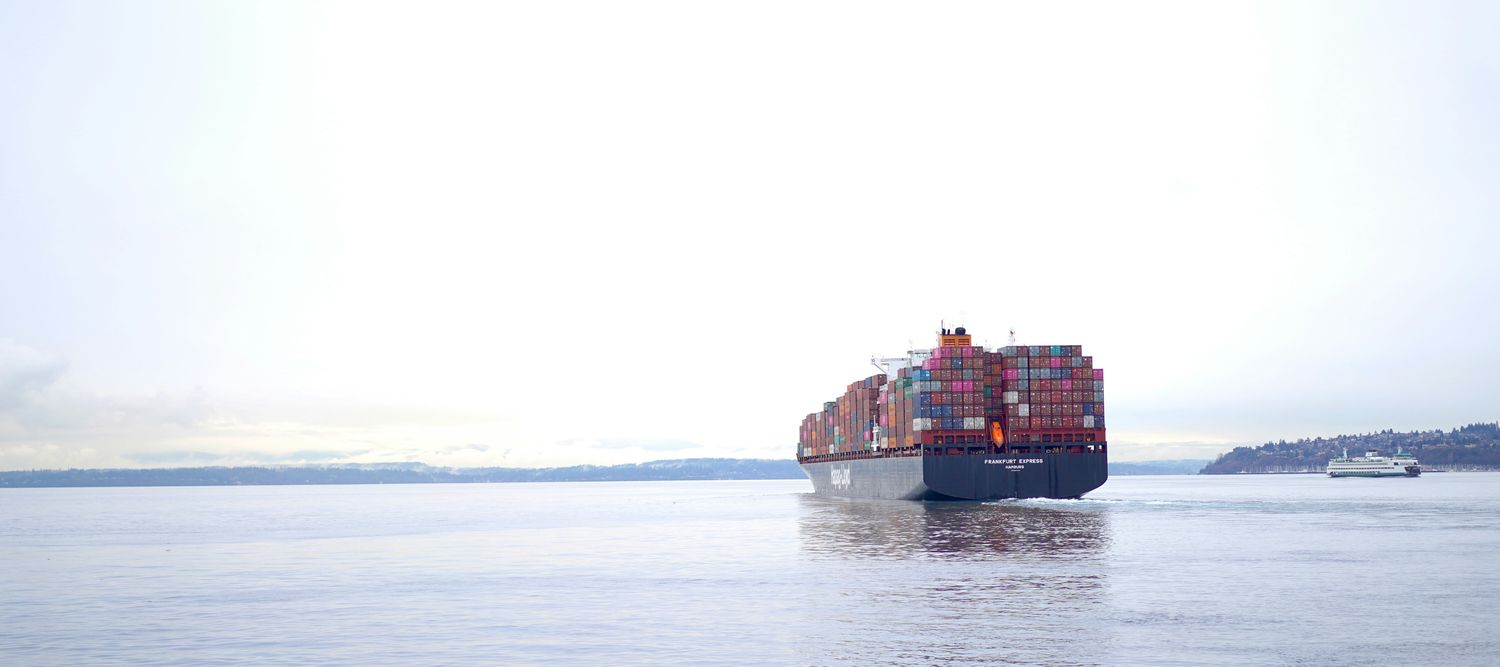
Marine batteries are often discussed as an alternative source of propulsion, especially for ferries or short shipping routes. On larger merchant vessels, one of their more immediate uses may be less ambitious: helping diesel generators work more efficiently.
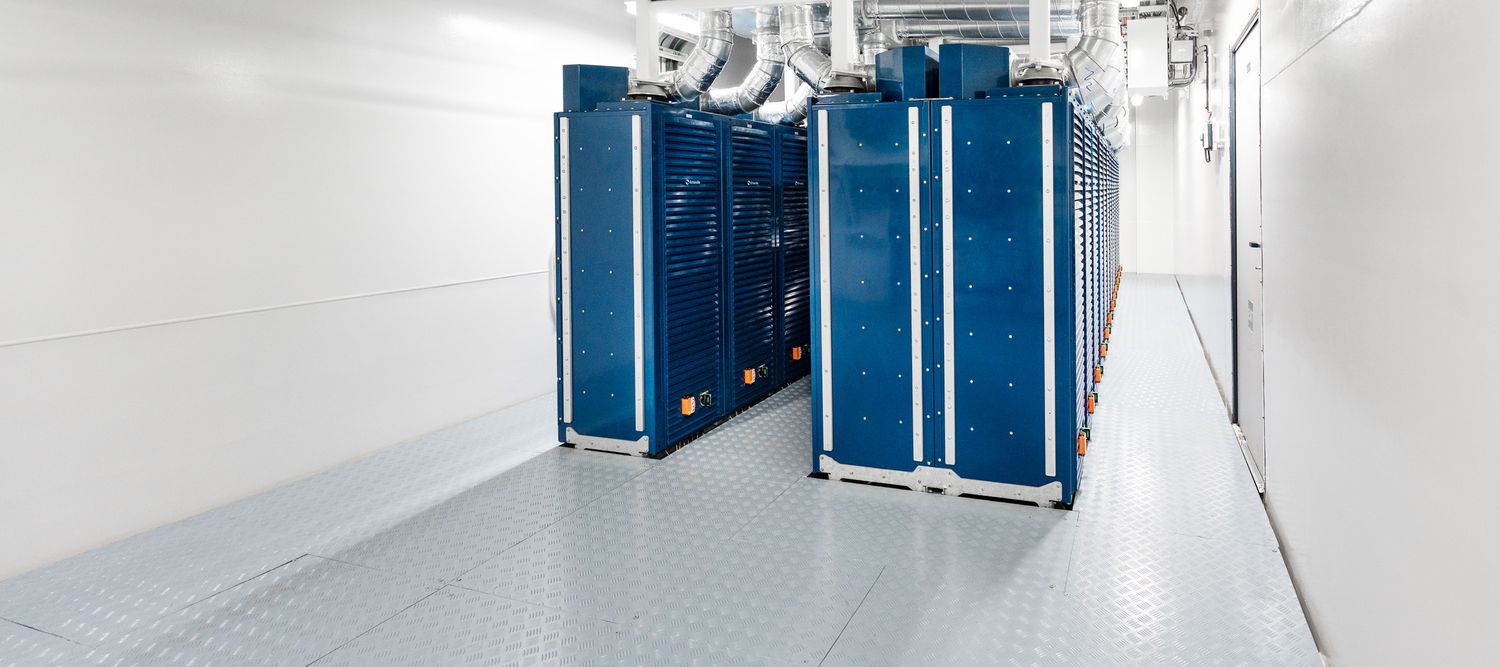
The maritime battery industry uses a layered system architecture built on broadly shared conventions. Most suppliers follow the same fundamental hierarchy, from cell to complete battery system, though naming conventions and product-specific configurations vary. This glossary covers the core terms as they are used at Echandia. Most definitions align with general industry practice; where Echandia uses a specific term or structure, that is noted.
Every battery system relies on a Battery Management System (BMS). In a maritime application, the BMS is critical as it ensures the battery operates safely, delivers stable performance, and reaches its intended lifetime without premature aging or failures.
Most vessels can be electrified, either fully or partially. Conditions like availability of charging infrastructure, route length, available charging time, and maximum weight requirements can impact to what degree av vessel can be electrified. Many larger ships install batteries to become more energy efficient or handle peak loads.
How fast a battery can charge, and discharge energy is called C-rate. High C-rates means faster charging. C-rates are closely related to the batteries underlying chemistry and other system components. So it depends on how much power is available and which chemistry is used. LTO can be charged much faster as a battery chemistry compared to its competitors.
They can be huge, but it depends. Size is limited by how much the vessel can carry and still safely operate in relation to the power it needs. That means, that the ultimate size and weight is determined by the energy requirement for the given application, and its access to charging infrastructure. In maritime, the smaller the system, the better.
Comparing weight per kWh between different systems will be misleading. Systems that require less buffer energy to meet the energy requirements over the lifetime, will be lighter on system level, even though they might be heavier when compared on a kWh-basis. To know the exact weight for the system, the operational profile needs to be understood.
The lifetime of a battery, or its cycle life is mostly dependent on the underlying battery chemistry. It is also dependent on how the battery is being used over the planned lifetime. The level of usage, or DOD (depth of discharge) is an important variable when designing a system that will be in use for a long time. LTO batteries can guarantee a lifetime of 15+ years which is considerably longer than any competing battery chemistry.
It depends. To calculate a system price, a number of factors needs to be known. This is what we call the operational profile. The cost per kWh can be misleading since the system size (number of kWh) can sometimes be substantially less, than what is recognized at first analysis.
Safety is a huge issue for batteries in general, and for maritime batteries specifically. A safe battery system requires several layers of system characteristics and measurements. The cell chemistry that is used in the battery is fundamental, on top of that all systems need monitoring and prevention methods, as well as suppression systems, gas vents, sprinklers etc. LTO chemistry stands out as one of the safest cell chemistries available, read more about why in our deep dive on LTO safety properties.
Most battery chemistries make a trade-off: pack in as much energy as possible and accept that performance degrades over time. LTO (lithium titanate oxide) is built around a different priority set: safety, long cycle life, and the ability to charge fast, repeatedly, without wearing out.
For maritime operators, that trade-off makes sense. A vessel running 17 charging cycles a day, year-round, needs a battery that holds up rather than one that needs replacing halfway through its service life. Echandia's Copenhagen ferry systems have logged more than 98% remaining capacity after six years of exactly that kind of operation. That is why we use LTO.
A fully electric vessel runs on battery power alone. A hybrid combines batteries with a conventional engine, using electric power for parts of the route, for peak shaving, or to run the engine at a more efficient load point.
Both approaches reduce emissions and operating costs. The right configuration depends on route length, port charging infrastructure, and operational profile. Echandia supplies battery systems for both: full electric and hybrid.
Yes. The replacement of E/F Ellen's original NMC system with a 3.2 MWh Echandia LTO system is a practical example of what retrofit looks like in operation. The new system is smaller than the 4.3 MWh it replaced and designed for a 15-year lifetime.
Feasibility depends on available space, weight budget, electrical infrastructure, and the vessel's operating profile. Echandia works with shipowners and yards to assess and design the right solution.
The BMS is what keeps the battery system safe and performing to spec throughout its lifetime. It monitors voltage, temperature, current, and state of charge across every cell and module in real time, keeping the system within safe operating limits and communicating with the vessel's power management system.
Echandia's BMS handles very large systems without added complexity. It delivers clear data summaries, supports remote diagnostics, and allows multiple strings to operate as one integrated system. Critical safety functions sit lower in the system hierarchy, so external disturbances do not interrupt power delivery.
Primarily by cutting engine running hours and eliminating inefficient operating points. A diesel engine running at low load to maintain spinning reserve is one of the most expensive ways to run a ship, in both fuel and wear. Peak shaving with batteries replaces that with power drawn from a system that costs a fraction per cycle to operate.
LTO's low degradation also changes the lifetime economics. Because capacity holds up over tens of thousands of cycles, there is less need for oversizing at installation and no mid-life replacement cost to budget for.
It depends on battery size, available turnaround time, and grid capacity at the terminal. In many ferry operations, charging happens entirely within normal port stops with no additional downtime required. Echandia works with port operators and energy providers to find practical solutions that fit within existing schedules.
Echandia's systems are developed in compliance with the requirements of DNV, Bureau Veritas, and Lloyd's Register. Type approvals from leading class societies give shipyards and operators the documentation needed for deployment in commercial maritime applications.
Our team has worked with leading shipyards and system integrators, from ABB to Siemens, to electrify ferries, tugs, navy and transport vessels. We know what it takes to build a safe, durable system that performs every day.
