insight
Small LTO batteries produce sizeable operating savings for merchant vessels
Three examples how LTO batteries can reduce fuel consumption and generator running hours.
)
Insights
From cell chemistry to vessel operations, find practical content to help you make smarter decisions in maritime electrification.

Three examples how LTO batteries can reduce fuel consumption and generator running hours.
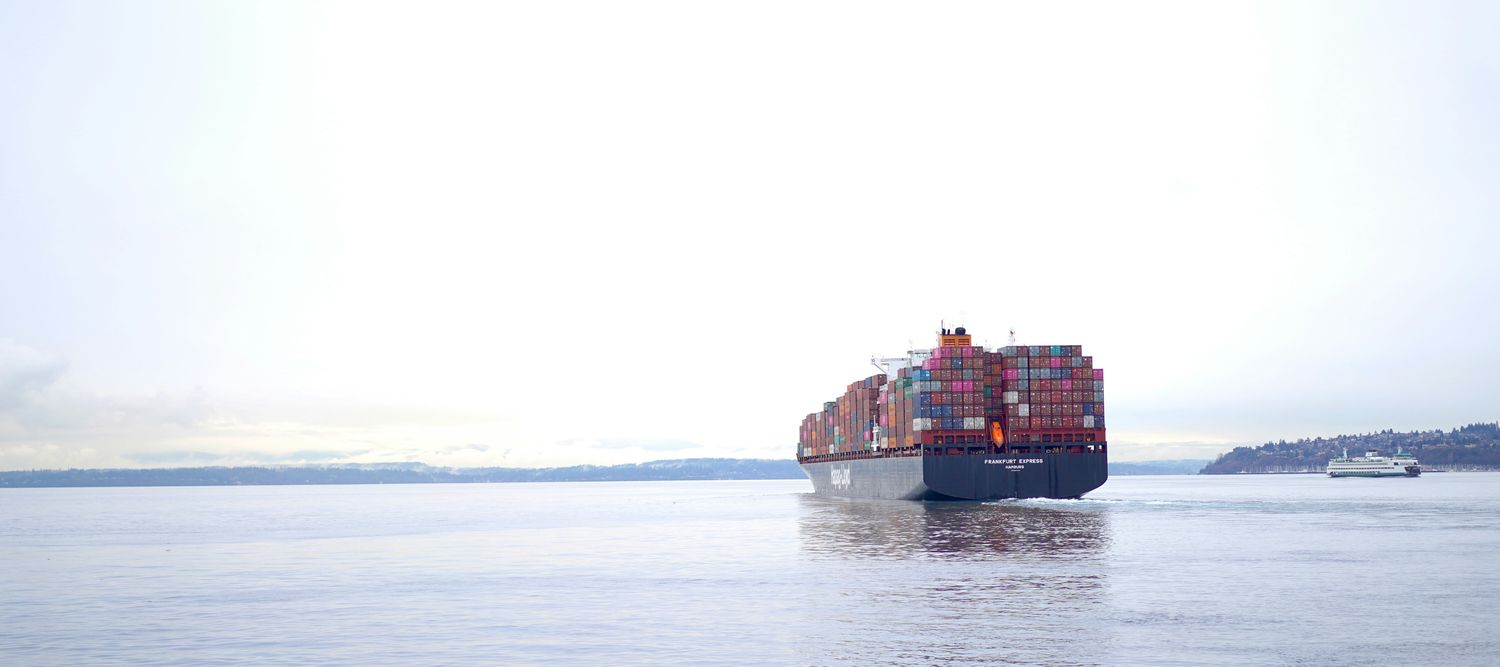
Marine batteries are often discussed as an alternative source of propulsion, especially for ferries or short shipping routes. On larger merchant vessels, one of their more immediate uses may be less ambitious: helping diesel generators work more efficiently.
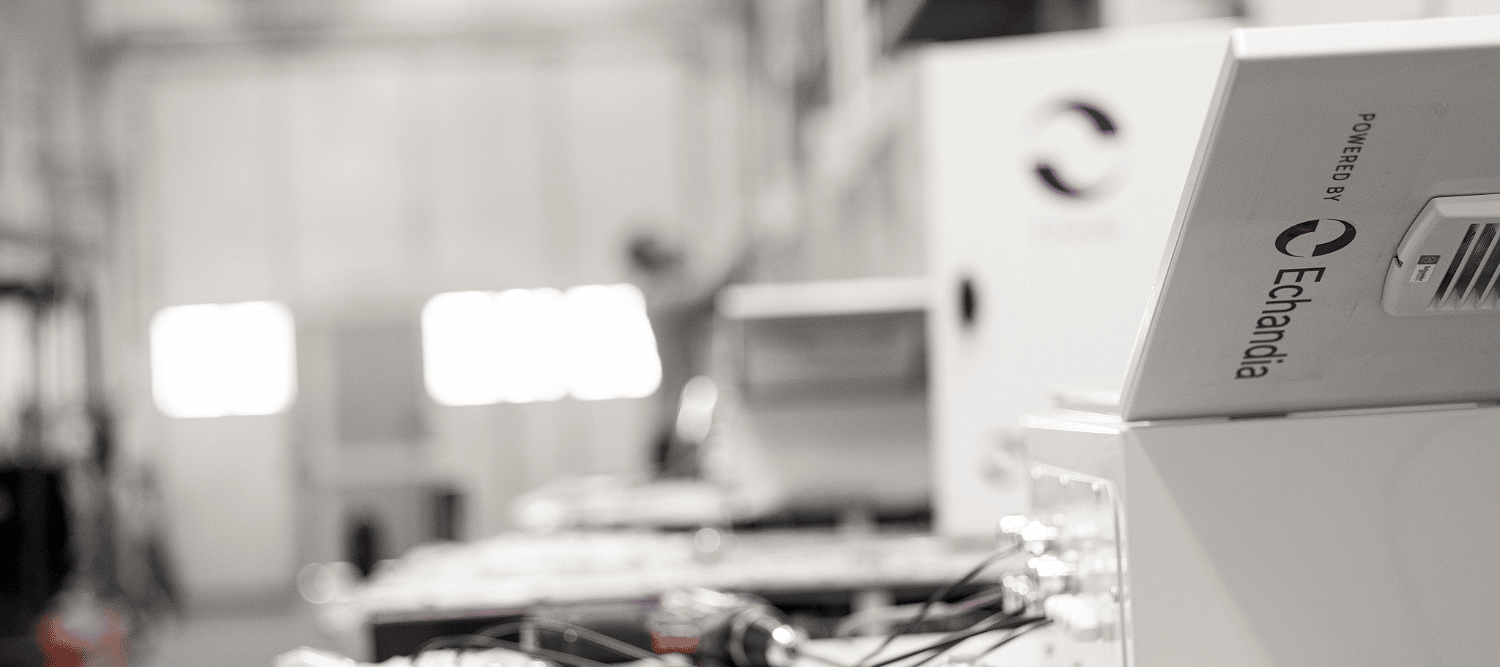
Every battery system relies on a Battery Management System (BMS). In a maritime application, the BMS is critical as it ensures the battery operates safely, delivers stable performance, and reaches its intended lifetime without premature aging or failures.

Improving energy efficiency and reducing fuel consumption have become some of the most critical challenges for shipowners and operators, driven by increasingly stringent regulatory requirements. For larger, ocean-going vessels, batteries can perform several important functions that reduce fuel consumption and improve overall energy efficiency. These functions typically include peak shaving, spinning reserve, energy harvesting, and backup power (UPS), as described below.

A common misconception surrounding LTO-based marine battery systems is that they are heavier and require more space than alternative solutions. This perception largely stems from evaluating batteries at cell level, rather than at system level. When assessed from a system perspective, LTO chemistry can in fact enable battery systems that are both smaller and lighter.
Follow us for upcoming events, news and insights.